
In the Acts of the Apostles (16:11–15), we read about an important moment in the spread of Christianity from Asia Minor to Europe. St Paul and his companions set sail from Troas, a harbour city on the Aegean coast. They made a direct journey to Samothrace, an island in the northern Aegean Sea, and on the following day reached Neapolis, the port of Philippi.
From Neapolis, Paul and his companions travelled inland to Philippi, which is described as a leading city of the district of Macedonia and a Roman colony. This status meant that Philippi enjoyed special privileges and followed Roman laws and customs. Paul and his companions stayed in the city for several days, observing the life of the community and looking for opportunities to preach Private Sofia Tour.
Lydia of Thyateira
On the Sabbath, Paul went outside the city gate to the river, where he believed there would be a place of prayer. There, he met a group of women who had gathered together. Among them was Lydia, a woman originally from Thyateira. She is described as a dealer in purple cloth, a luxury product that was expensive and highly valued in the Roman world.
Lydia is also called a worshiper of God, meaning that although she was not Jewish by birth, she respected the Jewish faith and followed its teachings. As Paul spoke, the Lord opened her heart, and she listened carefully to his message. Lydia and her entire household were baptized, making her the first known Christian convert in Europe. She then invited Paul and his companions to stay in her home, showing generosity and strong faith. Her hospitality played an important role in supporting the early Christian mission.
Christianity and Thyateira
The story of Lydia shows the close connection between Thyateira and the early Christian movement. Thyateira was a city known for its trade guilds, especially those involved in dyeing cloth. Purple dye, often produced from plant roots or sea creatures, was a symbol of wealth and status. Lydia’s profession reflects the commercial strength of her home city and explains how Christian ideas travelled along trade routes The Monumental Portico and the Colonnaded Street.
A Letter to the Church in Thyateira
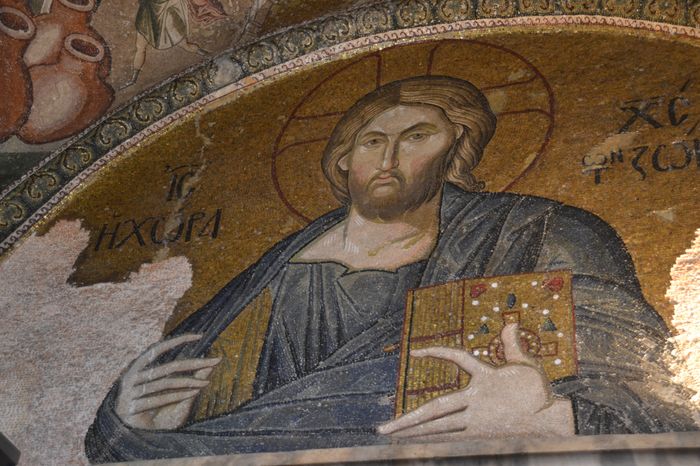
The importance of Thyateira is also clear from the Book of Revelation, where St John addresses one of his seven letters to the church in the city. He introduces Christ as “the Son of God, whose eyes are like a fiery flame and whose feet are like polished bronze.” This powerful image emphasizes divine authority and judgment.
St John praises the Christians of Thyateira for their love, faith, service, and endurance, and for the fact that their recent works are greater than their earlier ones. However, he also criticizes the community for tolerating a woman symbolically called Jezebel, who claimed to be a prophetess and led believers astray. According to the letter, she encouraged immoral behavior and the eating of food sacrificed to idols, practices closely connected to pagan worship and trade guild activities.
Warning and Promise
St John warns that Jezebel and her followers will face severe punishment if they do not repent. Christ is described as the one who searches hearts and minds, and who rewards each person according to their deeds. At the same time, he reassures those believers who have not accepted these false teachings. They are asked only to remain faithful and hold firmly to what they have until Christ returns.
Archaeological Evidence
Archaeological finds, such as a marble cross decorated with leaf motifs from Thyateira, now displayed in the Manisa Archaeological Museum, confirm the strong Christian presence in the city during the Byzantine period. These objects reflect the lasting influence of Christianity in Thyateira, from the time of Lydia to the later centuries of the Eastern Roman Empire.