Begin where the city meets the river
A port shapes the way a city looks and moves. In Ruse, the Danube provides a natural starting point for a walk focused on industry and trade. Take time to watch the river before following the streets nearby. Notice how the open waterfront contrasts with the denser city blocks and how routes lead people between the river and the urban centre.
Plan the walk as an observation rather than a hunt for a single landmark. Look for broad façades, warehouse-like buildings and other signs of commercial activity. Some sites may have changed use or may not be open to visitors, so confirm access before including them as stops. The exterior details can still help tell the story of a city shaped by exchange.
Read the layers of the route
Move between the riverfront and nearby streets at a comfortable pace. Pay attention to how public spaces connect with buildings and transport routes. Look for differences between older structures and newer uses. Instead of assuming that every building has an industrial past, record the details you can see and check historical information later.
A good route includes pauses. Find a place to rest, sketch a façade or take a photograph that shows the city in relation to the river. Choose a time when you have enough daylight to explore without rushing. If you are travelling with a group, agree on a meeting point before separating to take photographs.
Pair the port with another Bulgarian craft
For a contrast to Ruse’s riverside setting, consider the Bulgarian Wool Dyeing Craft Workshop Itinerary. It turns attention from large buildings and trade routes to the materials and decisions involved in handwork. The two experiences can add variety to a longer Bulgaria visit.
Bulgaria Vacations can help you explore ways to connect Ruse with other destinations. Check travel times and transport options before adding more stops. Leaving space between journeys makes the walking route easier to enjoy.
Take a slower look
Industrial heritage is not only about buildings. It can also be seen in how people move through a city, where goods once arrived and how public spaces developed around trade. Use the river as a reference point as you walk, then notice how the streets turn away from it. These changes help create a simple mental map of the area.
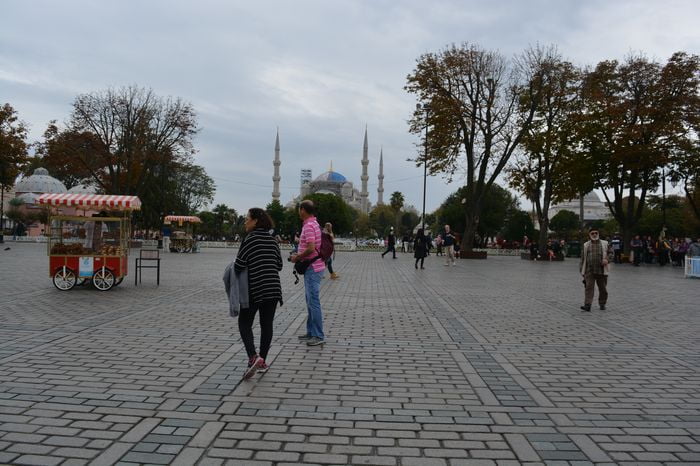
If Istanbul is also part of your itinerary, an Istanbul Tour Guide Ensar can help with plans for that city. Let the Ruse walk focus on its own riverfront and urban details rather than trying to compare every stop.
For help planning a private route or adjusting the walk to your group, use Contact Us. Mention how long you want to walk and whether your main interest is architecture, trade history or photography.
End near the river if your schedule allows. Watch the water for a while and consider how it connects the city to places beyond the view. A port heritage walk is most rewarding when it leaves time to notice the relationship between the river, the streets and the buildings that grew around them.